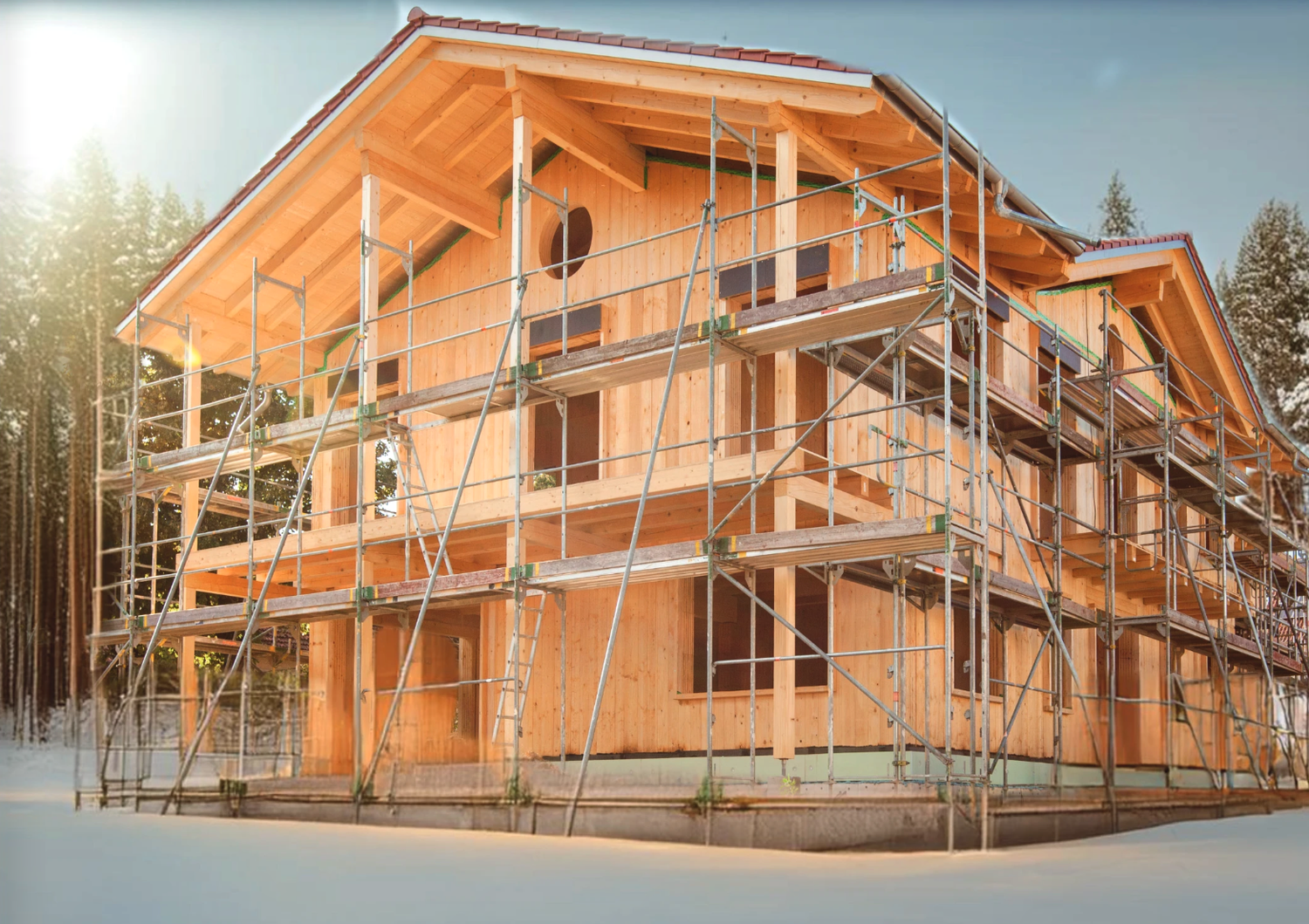
THE SOLID WOOD WALL SYSTEM
Wood, one of the oldest building materials, a material that can last for centuries and generations. This longevity is also possible with our Solid Wood Wall System. This has a positive impact on the value of your property, among other things. Banks and insurance companies share this view.
The Solid Wood Wall System offers a high-quality and simple alternative to both the conventional wet-build method, using brick and concrete, and the conventional lightweight timber frame construction method. The wall structure is plain and simple and is adaptable to your planning requirements-not the other way around.
WITH THE SOLID WOOD WALL SYSTEM, THERE ARE ALMOST NO LIMITS TO THE IMAGINATION OF BUILDERS, ARCHITECTS, AND PLANNERS. STRIKING DETAILS, GENEROUS GLASS FRONTS, AND UNUSUAL FLOOR PLANS ARE EASILY ACHIEVABLE WITH THE HIGH-STRENGTH, GLUE-FREE SOLID WOOD WALL CONSTRUCTION CONCEPT.
SOLID WOOD WALL SYSTEM
FOR WARM AND STURDY HOUSES
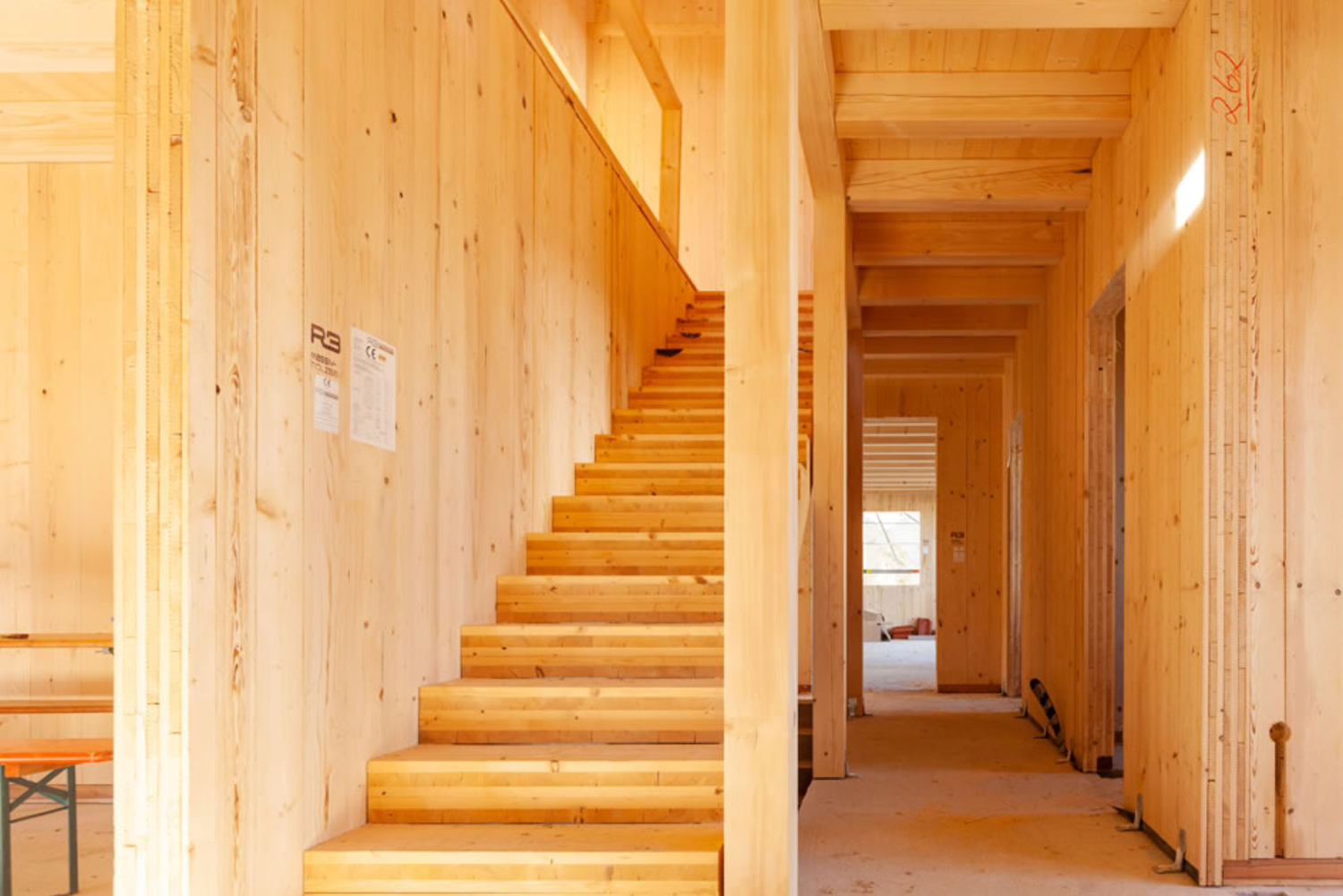
A HEALTHY CHOICE
Solid timber wall constructions are made of pure wood and is a high-quality and healthy alternative to conventional wet construction methods using stone and concrete, or the timber construction methods using glue and chemicals.
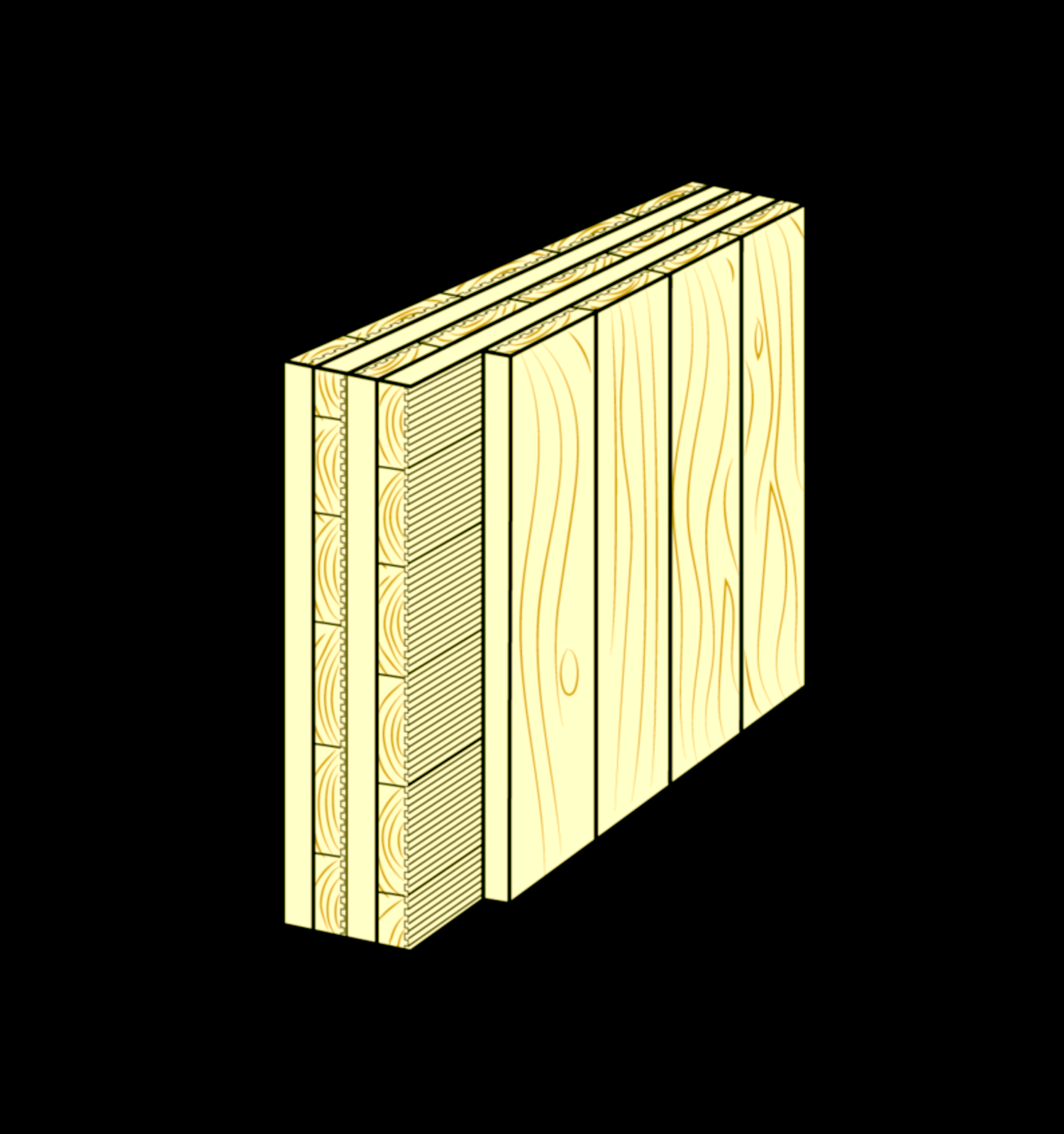
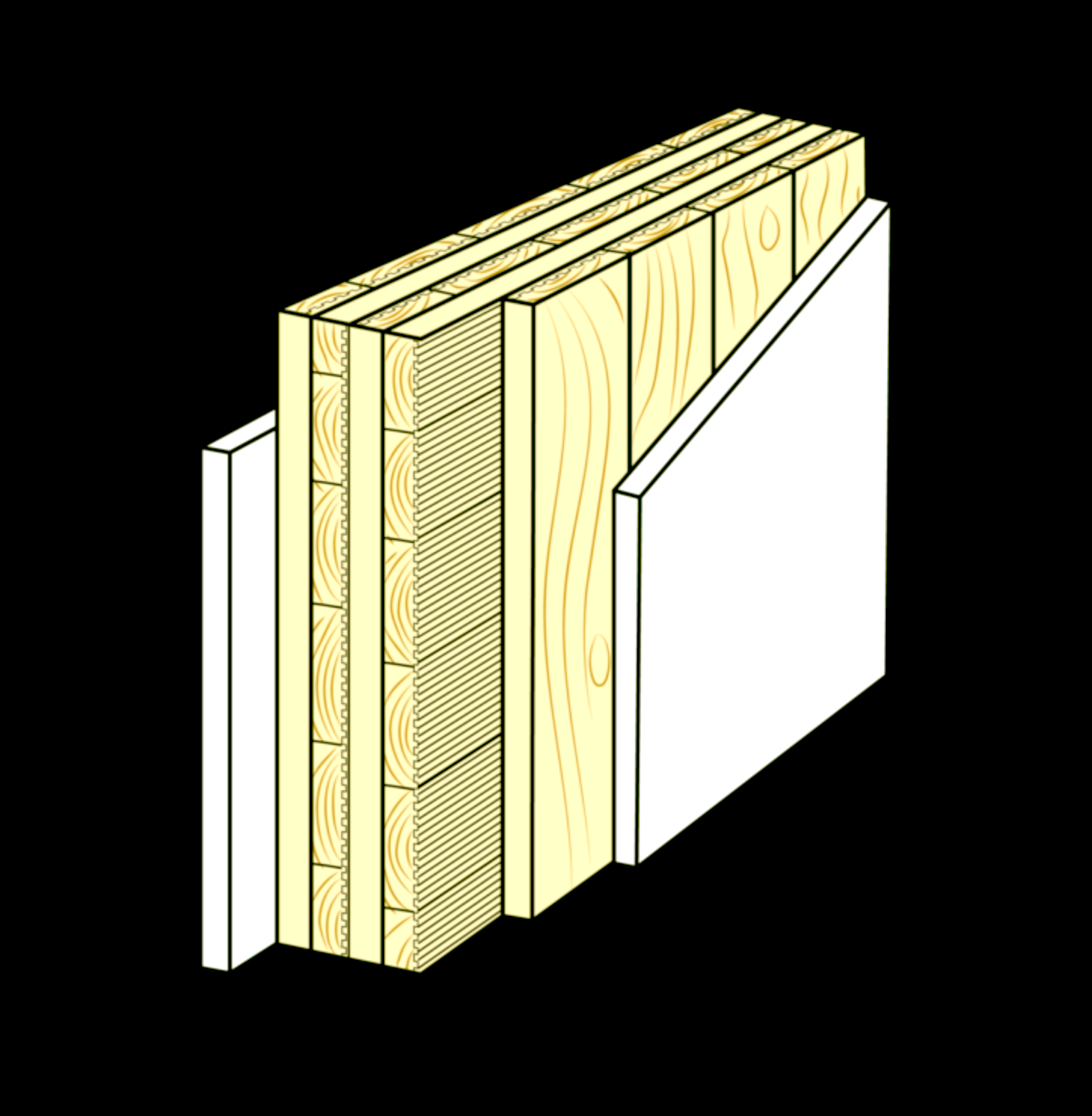
Structure of the base wall
The solid wood wall is made of dried wood and exhibits excellent thermoregulating properties thanks to its sophisticated structure.
The Solid Wood Wall elements consist of flat softwood arranged crosswise and in layers, which are permanently joined together using a special nailing technique. This centuries old nailing technique allows for extremely fast, rational and efficient manufacture.
Depending on whether they are used as an inner or outer wall, the wall elements differ with regard to the wall thickness (number of board layers) as well as the lining or insulation.
The outer walls forms the thermal envelop.
Shaping the surface of the untreated boards with small grooves/profiles creates an air cushion in the finished wall which improves the insulation value over normal solid timber by approximately 20%. This means that the design of an SWWS is considerably more efficient than the conventional solid timber systems in terms of equalising summer heat and winter cold.
Thanks to optimal, technical drying, the untreated boards have extremely good dimensional stability and are resistant to pests. The "working" of the boards is also reduced to a minimum by drying the boards and the layered wall structure.
Moon phase timber can be omitted with the SW wall. Nevertheless, if there is still a desire to build with moon phase timber, our manufacturing plants will gladly arrange for this. Simply let us know.
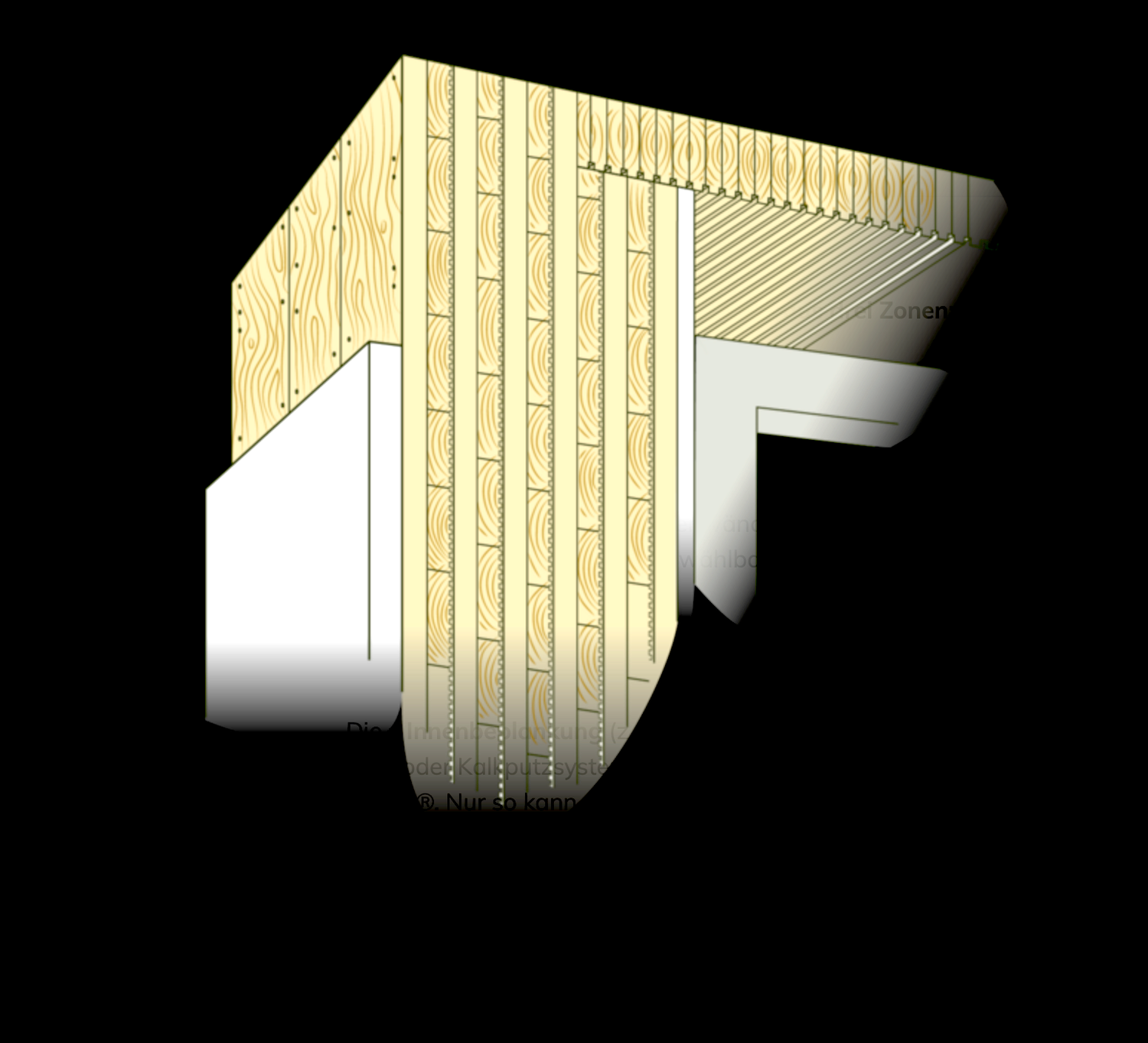
Structure of the outer wall
The structure of an outer wall consists of three zones:
- Solid Wood Wall ( base wall)
- Inside lining
- External façade
A wall thickness between 20 and 25 centimeters (9 to11 board layers) can be selected for the base wall for outer walls. Thicker walls with up to 15 layers are also possible.
The inside lining (e.g. exposed wood, dry construction materials, clay or lime plaster systems) is applied directly on the Solid Wood Wall. Only in this way can the inside lining and the underlying wood with its natural absorption capabilities (moisture buffer) and their highly beneficial thermal properties have an optimal impact on the indoor climate. Wall heating can also be installed.
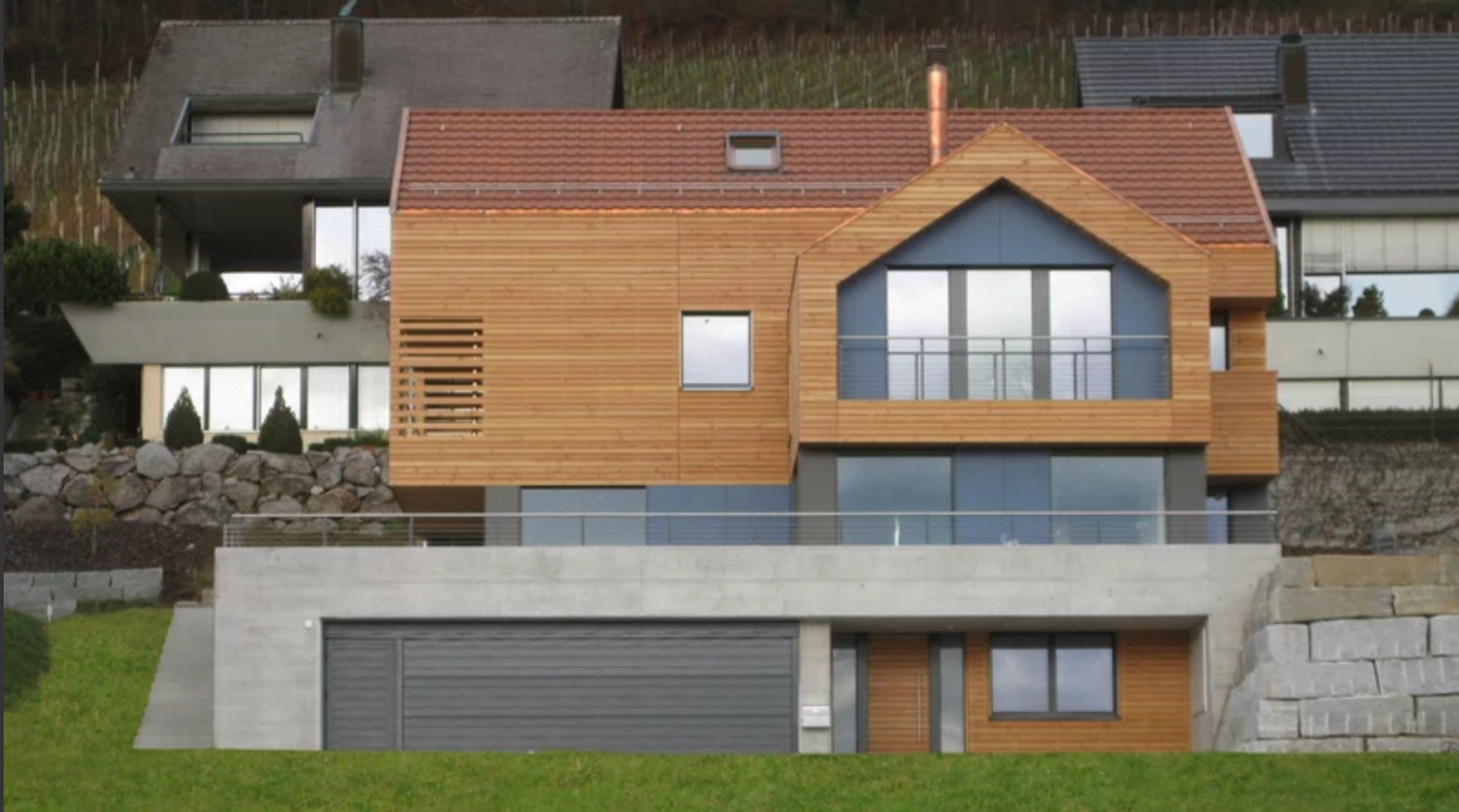
The building services, such as the electrical installation, are installed in individually prefabricated recesses (slots and boreholes) in the wall elements between the inside lining and the Solid Wood Wall. As developer, you can freely design the external façade according to your wishes and in your preferred style - rural, traditional or simple and architecturally modern.
An additional layer of external insulation, which forms parts of the façade, is chosen according to the required standard - whether according to the Building Energy Act (GEG) or as a PlusEnergy, KfW efficiency house or passive house. The plaster façade is applied directly to the insulation material as a mesh filling. Alternatively very natural appearing wood panelling or other façade cladding can also be mounted on a substructure.
Structure of the inner wall
The structure of an inner wall consist of three zones:
- Inside lining
- Solid Wood Wall
- Inside lining
A wall thickness between 10 and 20 centimeters (5 to 7 board layers) can be selected for the base wall for solid wooden inner walls. It receives an inside lining on both sides that forms the finished wall surface.
The inside lining can be freely designed in the preferred style according to the wishes of the builder (e.g. exposed wood, dry construction materials, clay or lime plaster systems). This layer is generally placed directly on the solid wooden wall without an installation layer. In this way, the inside lining on the solid wooden wall and the underlying wood with its natural absorption capabilities can act as a moisture buffer and have an optimal impact on the indoor climate thanks to their positive thermal properties.
The interior finishing can largely by carried out in a dry state. Unlike conventional solid constructions, no drying times are required ad a dry and cosy living atmosphere is perceptible in the building right from the start.
Additionally, the vapour permeable construction and the warm inner surfaces due to the positive insulating properties of the SWWS sustainably contribute to a moisture management that is optimal for your health and the building material.
PROFILED TIMBER ELEMENTS
PHE (profiled timber elements) are made to measure for the respective building. At the manufacturing plant they are produced, unitised and, if required, provided with all openings and recesses. This allows for fast installation, including of the building services.
PHE elements are ideal as ceiling and roof elements: The high strength of the PHE construction enables a low component thickness. This reduces the building volume and allows you to save on construction costs. The side of the element facing towards the room can either remain exposed or be realised as a non-visible element with an additional suspended ceiling. In case of an exposed installation, the grooves on the underside additionally contribute to improved room acoustics.
Structure of the basic element
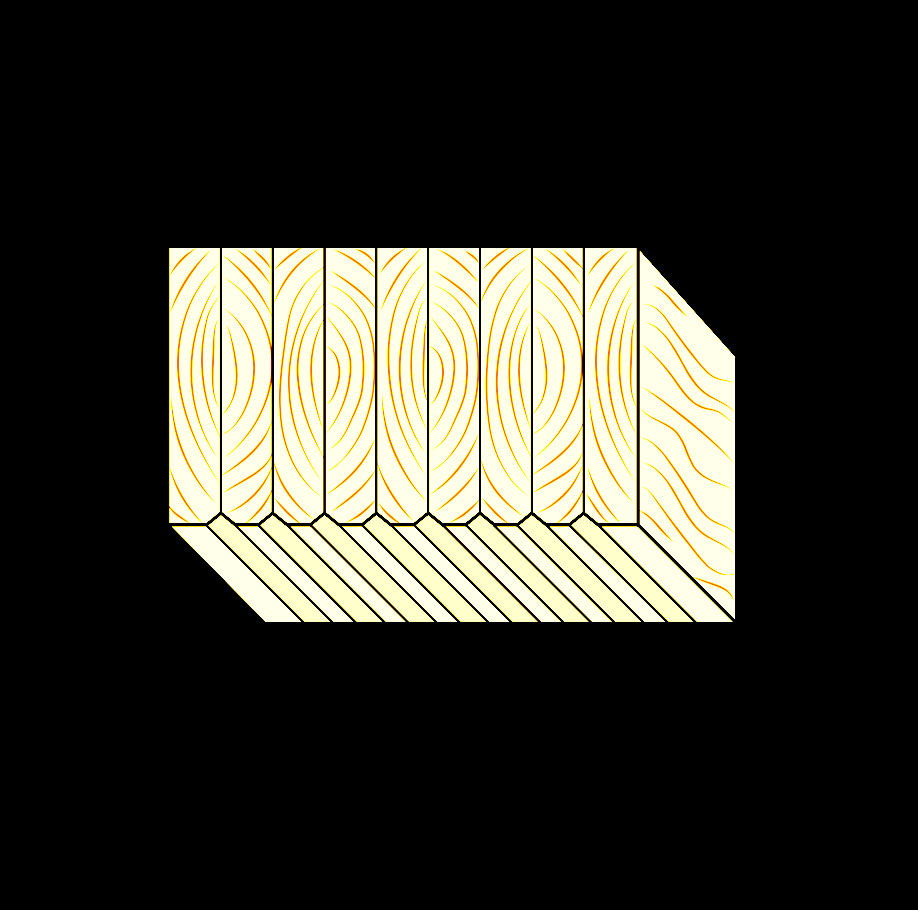
Our Profiled Timber Elements consist of technically dried softwood boards that are arranged side by side on edge. The joint between the individual boards form a flat solid timber element that is produced using a special nailing technique. This centuries-old, proven nailing technique allows for very fast, rational and efficient manufacture. By drying the boards, the “working” of the wood and the finished Profiled Timber Elements, as well as the tendency of the thin boards to twist, is reduced to a minimum.
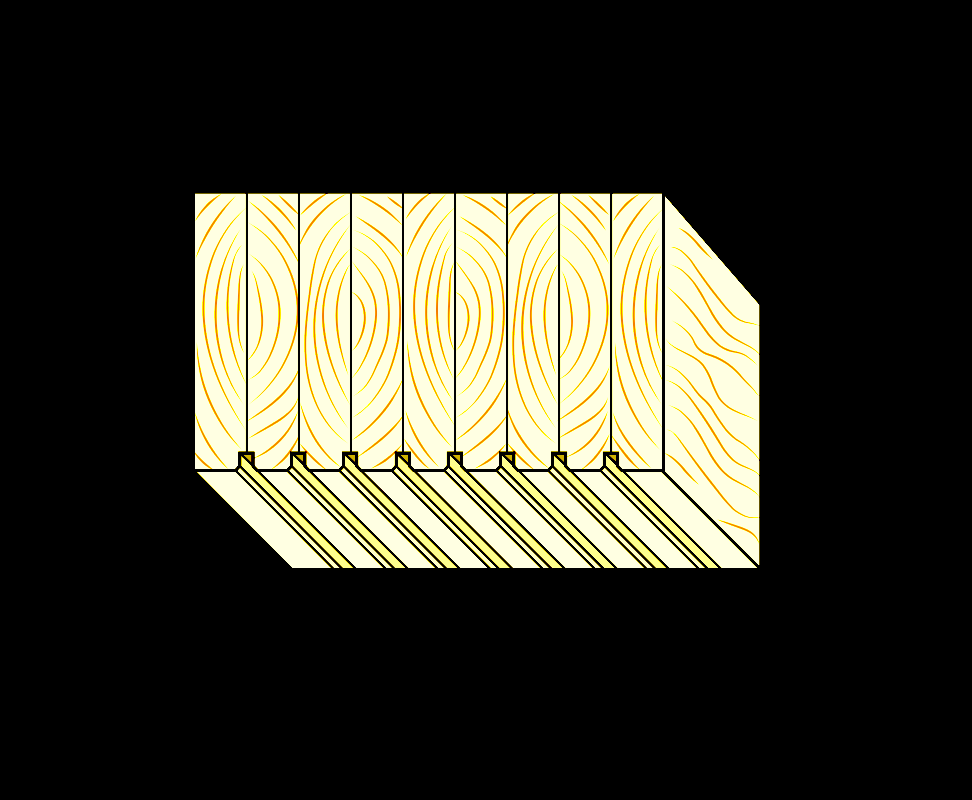
Exposed wood is timeless and aesthetically pleasing. For an exposed design, two surface profiles are available for selection for the Profiled Timber Elements:
Exposed PHE soffit
1. Profile with acoustic surface: The acoustic surface absorbs sound to produce pleasant room acoustics. With its finely structured ceiling soffit, the acoustic profile is visually impressive. The Profiled Timber Elements were specially developed for applications in family homes. Depending on their thickness, the highly rigid structural elements can span very large spaces and provide outstanding room acoustics due to the profiled underside. No glue is required to manufacture the flat PHE elements.
2. Profile with V-chamfer: The almost smooth surface with V-chamfer creates a discreet ceiling profile.
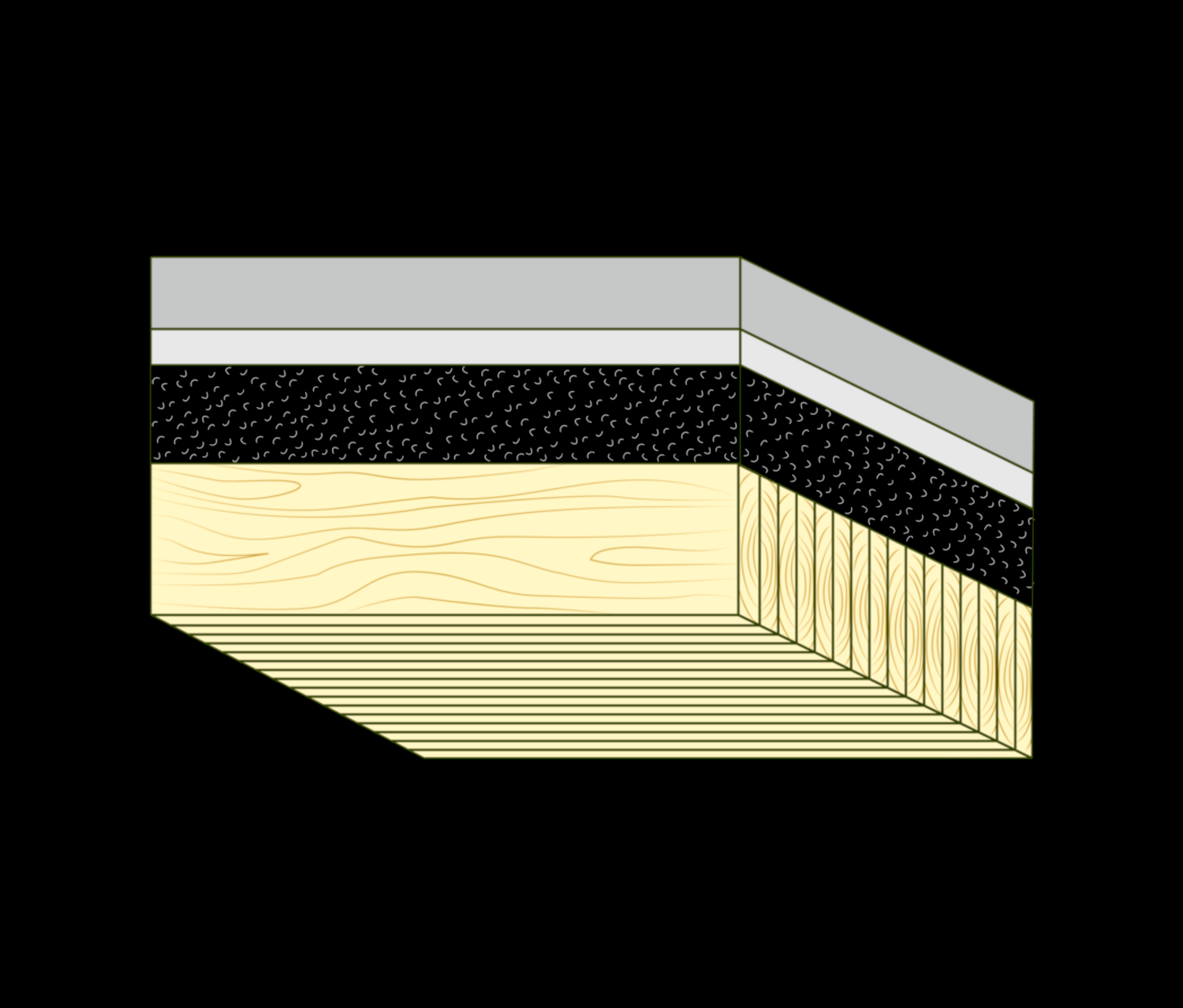
PHE ceilings
A ceiling structure is added on top of the PHE ceiling elements. This allows for the installation of any kind of floor covering as well as underfloor heating. The ceiling structure in combination with the solid PHE element offers numerous advantages – with regard to footfall and airborne sound insulation, for example.
These stylish components enable buildings with a completely solid timber construction and can be used as exposed ceiling or roof elements. The solid, flat elements offer similarly safe properties as the MHM wall and support this positively.
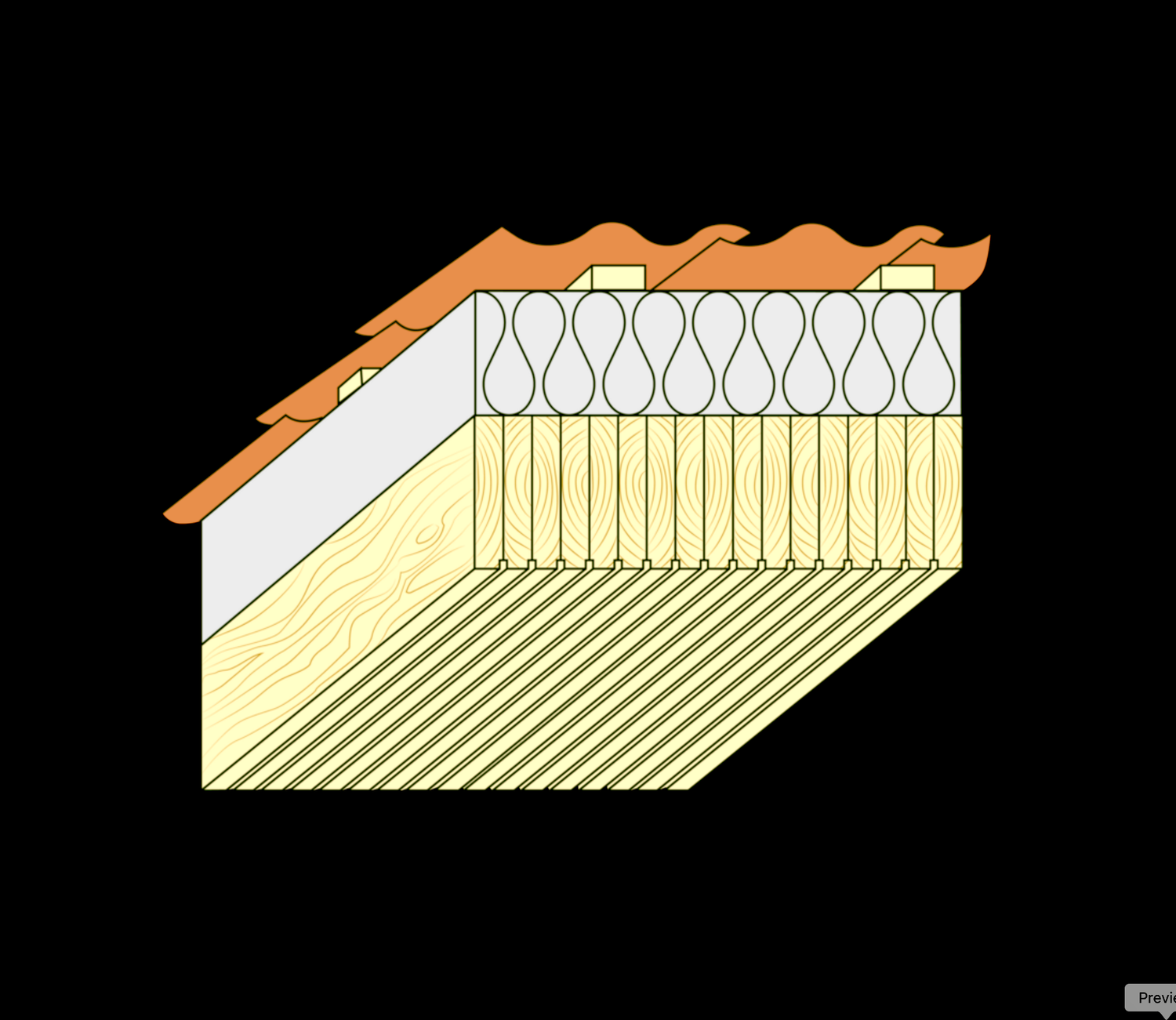
PHE pitched or flat roof
PHE roof elements are part of the building envelope and receive a layer of external insulation and suitable roofing on top, chosen according to the required energy standard and roof type.
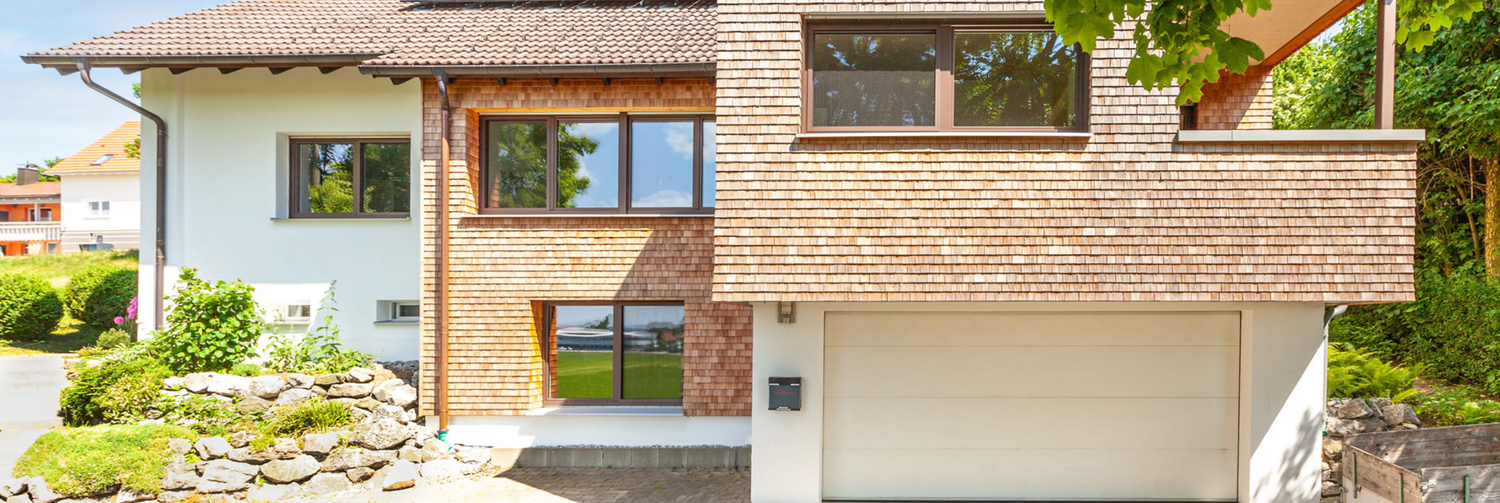
THE MAIN ADVANTAGES OF THE SWWS
Precise Manufacturing
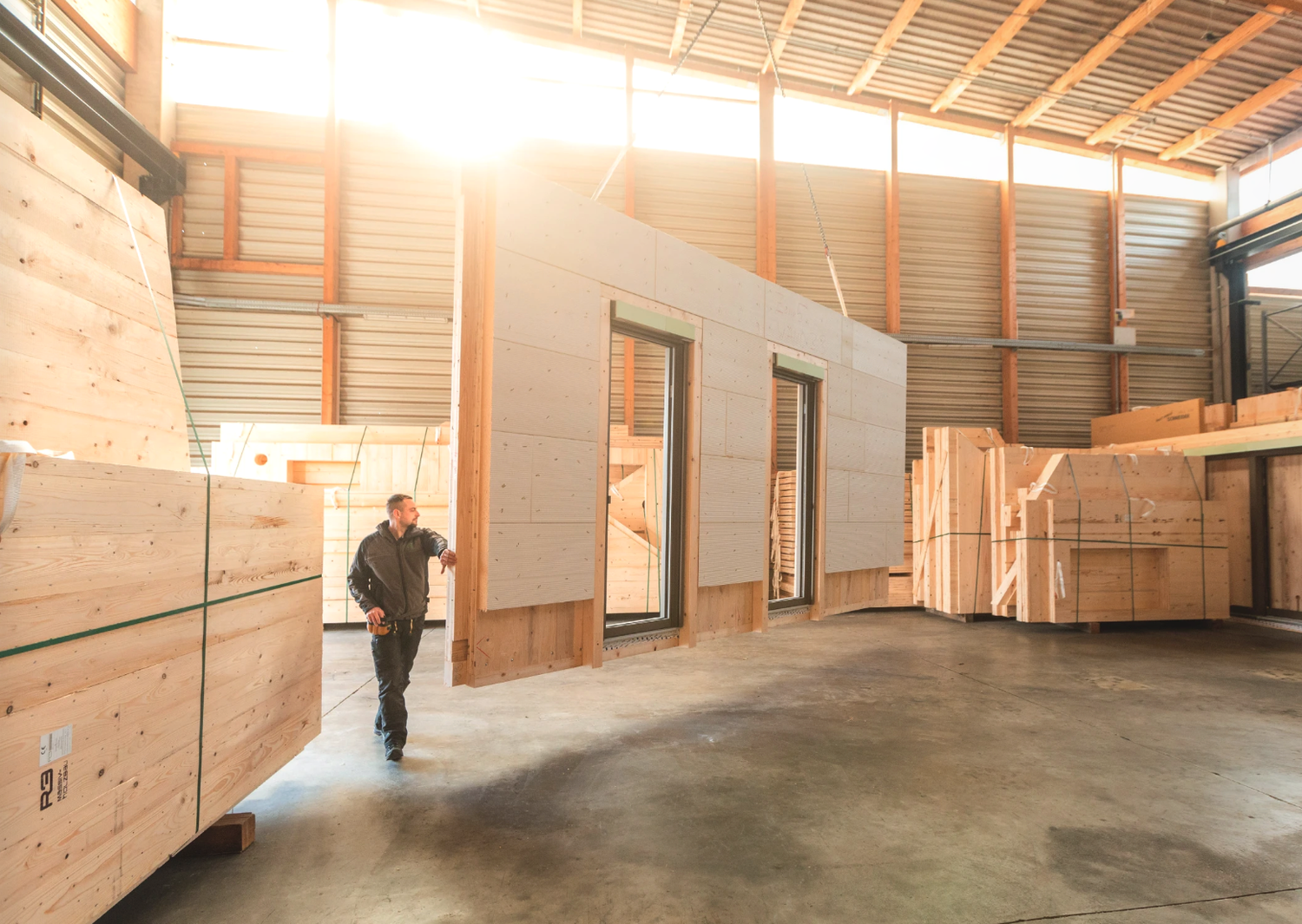
The solid wood wall is manufactured regionally on specially developed SWWS production lines in decentralised manufacturing plants. Your floor plan is designed using CAD software and then manufactured using computer-controlled processes. The high degree of prefabrication guarantees simple, quick, and safe assembly of your building shell.
Short Production and Construction Time
Your SWWS house or building is prefabricated in the regional manufacturing plant in approximately 3-4 days under weather-protected conditions and efficiently loaded onto trucks. The assembly of the shell on the building site is completed in another 3-4 days for a single-family home. This reduces both the overall project duration and the downtime for cranes and scaffolding, compared to conventional construction projects. This allows your timber construction project to be realized quickly, to a high standard, and cost-effectively.
Positive Energy Balance
The overall energy balance of a building is not just about energy consumption during its use. Factors such as the energy required for the production of building materials, the construction of the building, and its eventual disposal are also taken into account. Here, the SWWS scores highly in all aspects, offering short transport distances, rapid assembly, and – if necessary – easy dismantling.
WHY CHOOSE A SOLID WOOD WALL SYSTEM?
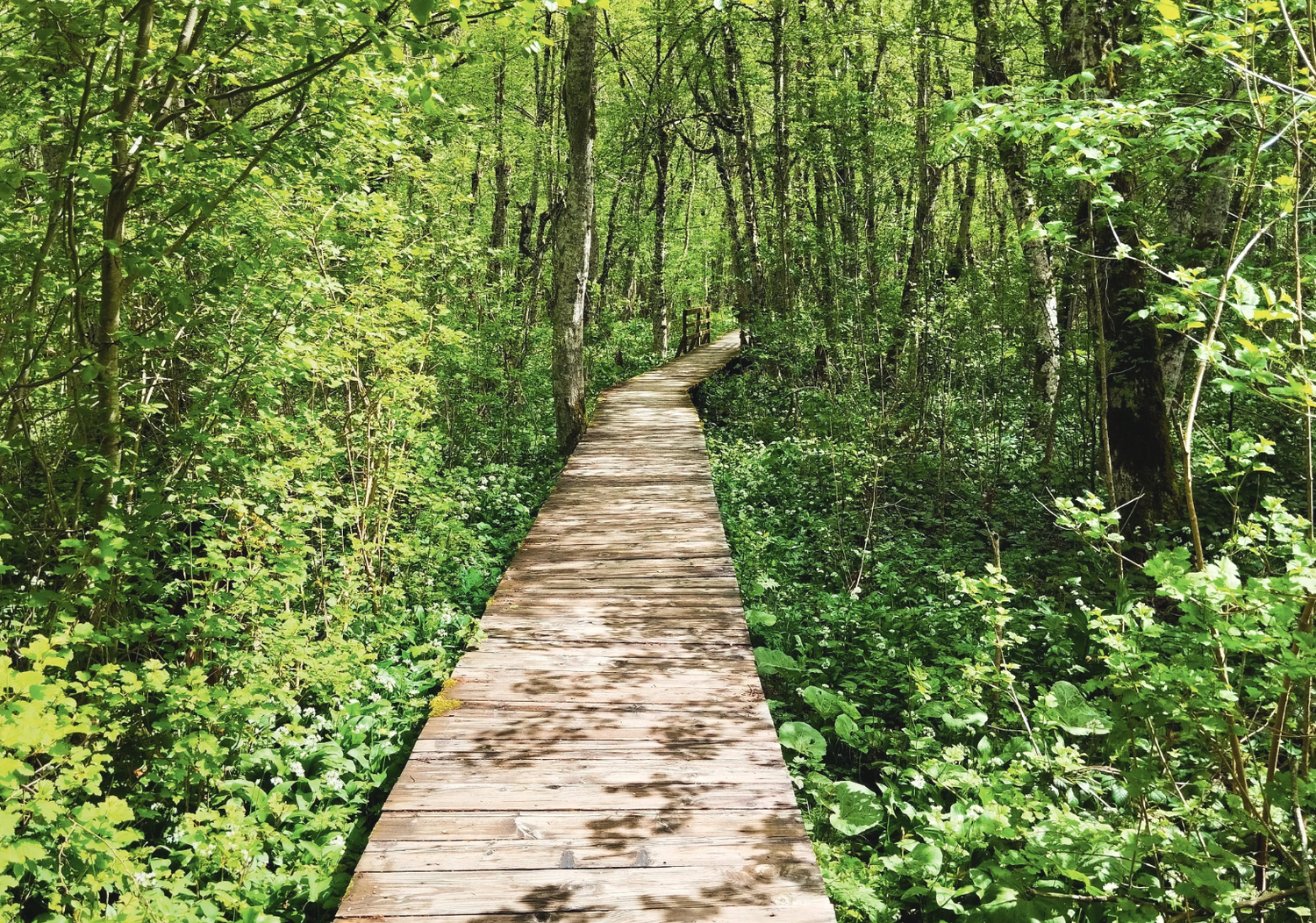
ECO FRIENDLY AND TAILORED TO YOUR NEEDS AND WISHES
Many builders have a positive view of wood as a building material. However, they don't want a house with cavity walls, airtight membranes, and adhesives. Faced with this challenge, our manufacturer developed the concept of the solid wood wall in the late 1990s: a solid wall made of natural wood. Without adhesives or chemicals. Ecological, stable, warm, safe, quick to erect, and with short construction and completion times.
Massive Security
The solid wood wall system is certified with fire protection classification REI 90 and offers tested sound insulation values. The solid wood walls also provide protection against high-frequency radiation. The technical drying of the wood makes the product resistant to wood-boring insects. The product-specific construction of the solid wood wall offers the entire structure to be significantly better protected against mechanical damage and external impacts than conventional timber construction methods.
Good Indoor Climate
By using dried wood and foregoing adhesives or mortar, a dry, comfortable atmosphere is immediately noticeable in an SWWS building. The SWWS building material balances temperature fluctuations between the interior and exterior, positively influences the humidity level, and thus helps regulate the indoor climate resulting in a pleasant and healthy living environment.
Flexible Construction
A Year-round construction is possible since most work on the construction site can be carried out using drywall construction, that is why a SWWS building project is not bound by seasons. A building assembly can begin without hesitation even in the winter months, weather permitting.
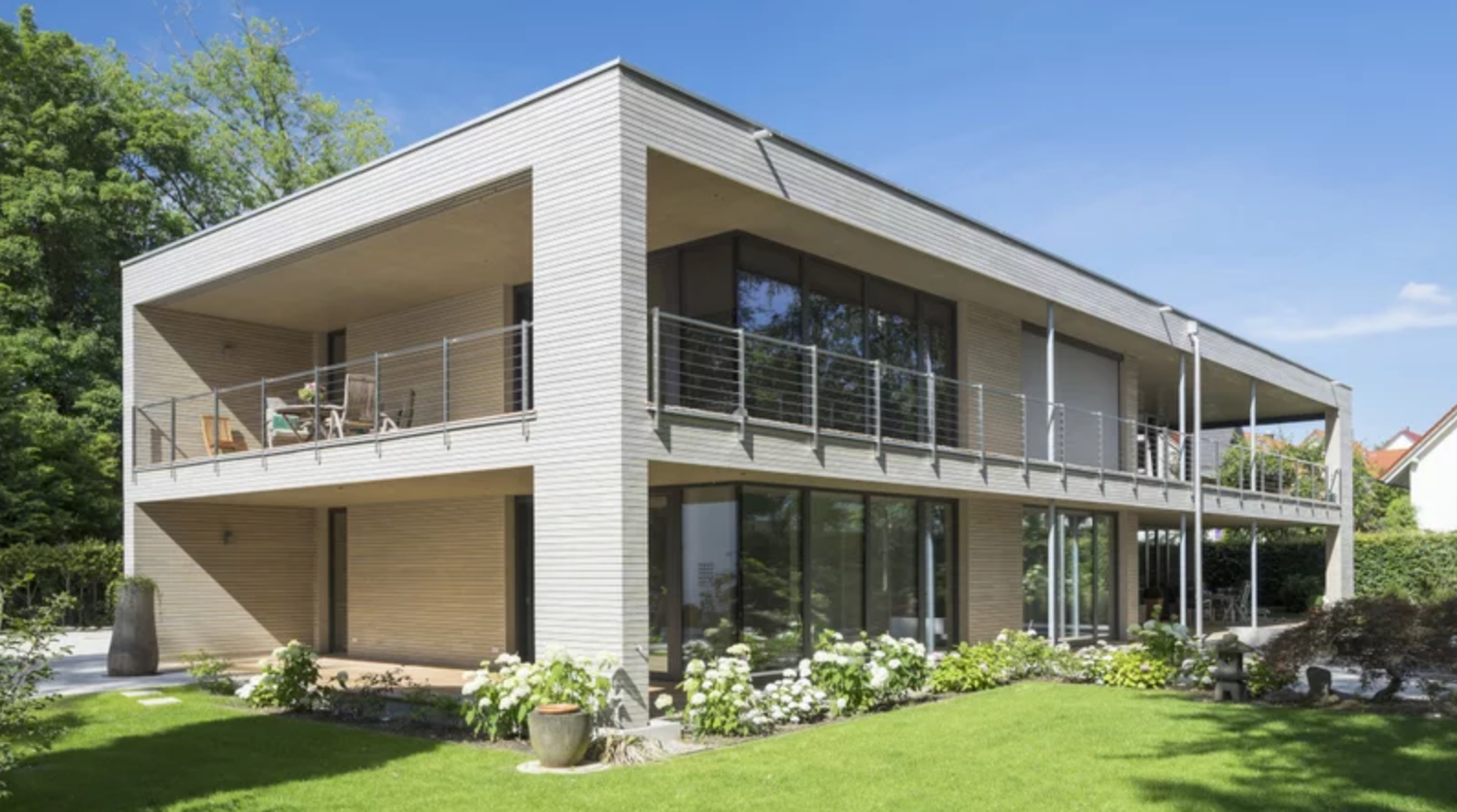
Do you have unusual ideas for your floor plan? The SWWS offers flexibility; any floor plan is possible, there are no grid restrictions. Further advantages include freedom of choice regarding wall geometry, individual facade design, and insulation standards.
Advantages of a solid wood wall system at a glance:
- Saves on heating costs thanks to excellent thermal properties
- Top heat protection in summer
- Pleasant surface temperature and optimal humidity
- Ideal indoor climate thanks to natural building materials
- Wood is a renewable resource
- Durable and long-lasting
- Very suitable for allergy sufferers
- Protects against electromagnetic radiation
- Stores CO₂
- Good fire protection properties
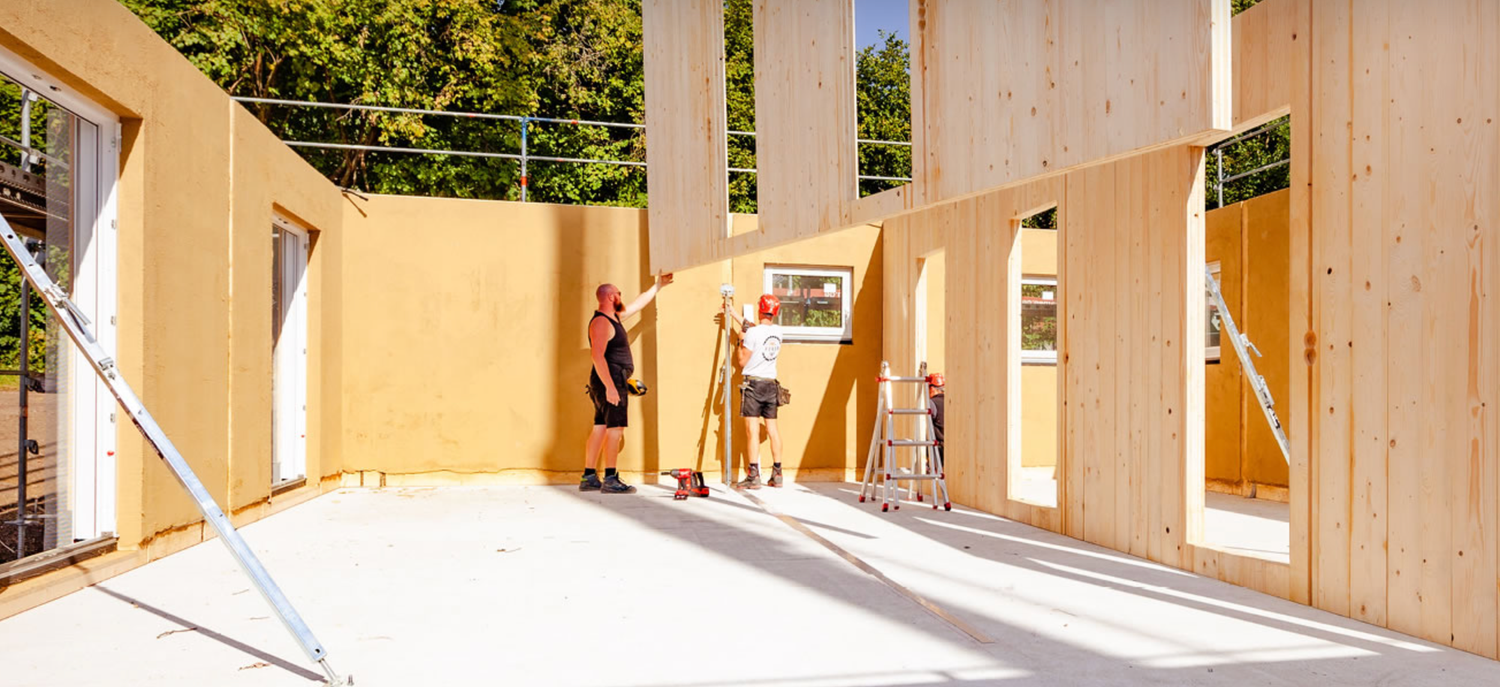
From numerous conversations with prospective homeowners, we know that the decision to build a glue-free solid wood house is not made by chance! Homeowners who choose this type of construction place particular emphasis on healthy and sustainable living. Often, however, it's a question of budget whether a home can be built in a consistently sustainable way. In many cases, gypsum plasterboard is used for the interior walls, even though a natural plaster like clay might be preferred. The real cost factor here isn't the clay itself, but the labor-intensive application. We wanted to solve this problem for you. We have succeeded in developing a process that allows clay to be applied to the solid wood wall with significantly less effort. Thus, your budget no longer dictates the architectural style; you do.
The interplay of solid wood walls and clay plaster offers 100% natural living space. The image of clay as a "building material for eco-warriors" is long outdated, and the wood-clay combination presents itself as a sustainable, healthy, and future-oriented construction method. Not surprisingly, because clay plaster offers several advantages for you as a building owner.
A key advantage of clay plaster is that it is a purely natural, biodegradable material. Its moisture-regulating properties ensure a pleasant and healthy indoor climate and optimal humidity. This, in turn, has a positive effect on the respiratory system. Clay plaster binds fine dust and prevents mold growth. Allergy sufferers and sensitive individuals especially benefit from this. Pollutants are absorbed by the clay, and odors are neutralized.
Clay has been used as a building material for centuries. Even in the Stone Age, people built with clay. Today, about a third of humanity lives in houses made of clay.
A very famous structure, largely built of clay, is the Great Wall of China. With 8.2 million visitors annually, it has to withstand a great deal and thus proves how stable and durable clay is as a building material. True to the motto "Back to the Roots," clay as a building material is once again highly sought after.
We have given considerable thought to how we can offer customers an affordable way to plaster solid wood walls with clay. We have conducted several trials and can now, innovatively, offer our glue-free solid wood walls with clay plaster pre-finished at a factory price.
COSTS SOLID WOODEN HOUSE
Our eco-friendly solid wood construction method is priced comparable to traditional construction methods. As with all construction methods, the total cost of building a solid wood house depends on many different factors and trades. Building regulations for the specific area can also affect the cost. For example, if a particular roof shape is required, this will impact the construction costs.
Let's have a look at 6 aspects that have the greatest influence on the cost of a solid wood house.
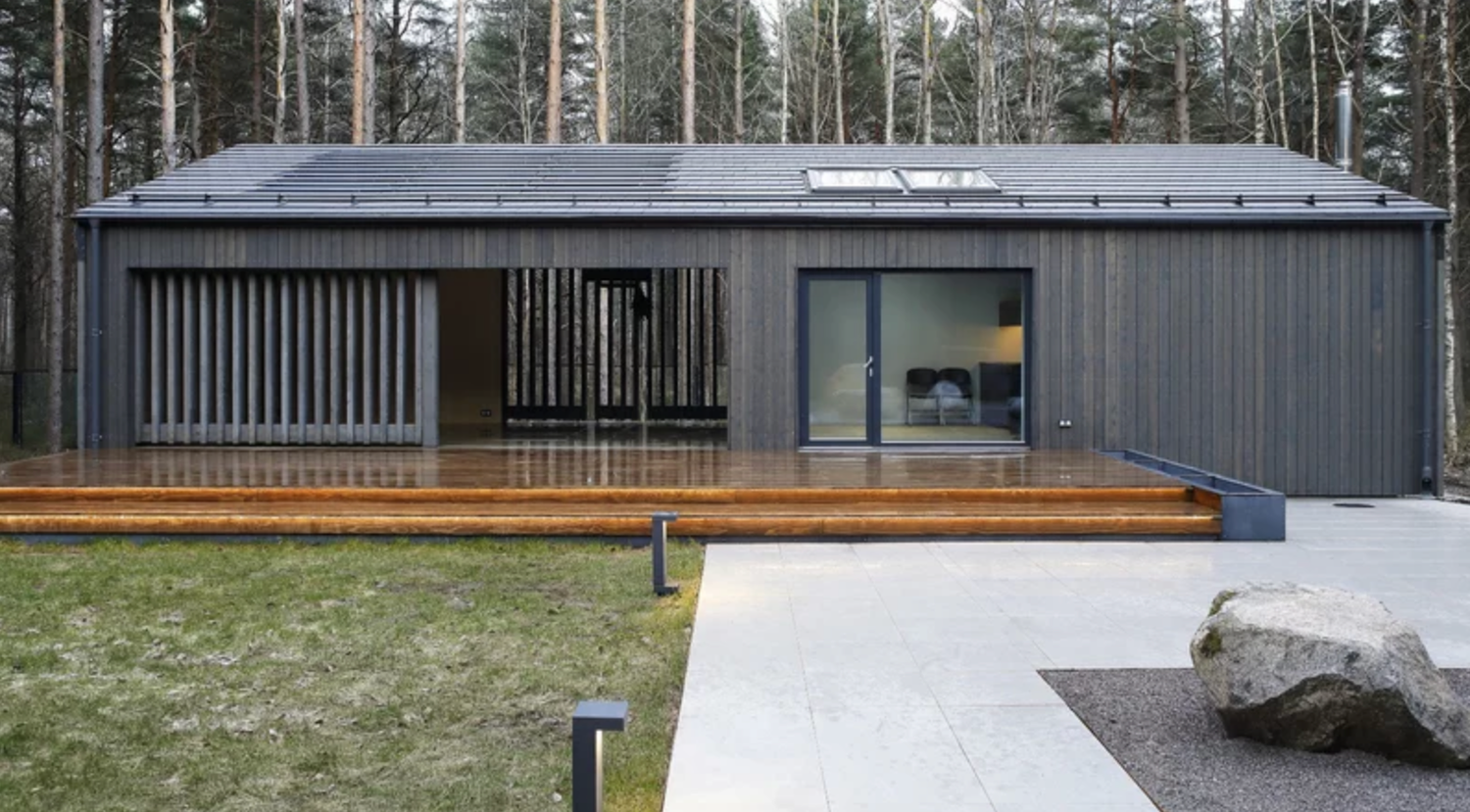
Living Space and Volume
First, the living space of your project is determined. How large do you envision your home to be? The second step involves considering the spatial concept. In addition to the volume, the floor plan and layout play a crucial role. How extravagant should your rooms be? Features such as projections and recesses (e.g., bay windows) or gables are particularly relevant to the cost. The number of rooms is also decisive. The more rooms desired, the more walls and other structural elements, such as doors, will be required. Furthermore, the ceiling height, knee wall height, and roof shape will also be decisive factors in the price calculation of your solid wood house. Therefore, it is not possible to quote a flat rate per square meter of living space for a solid wood house, as each construction project is individually planned and implemented.
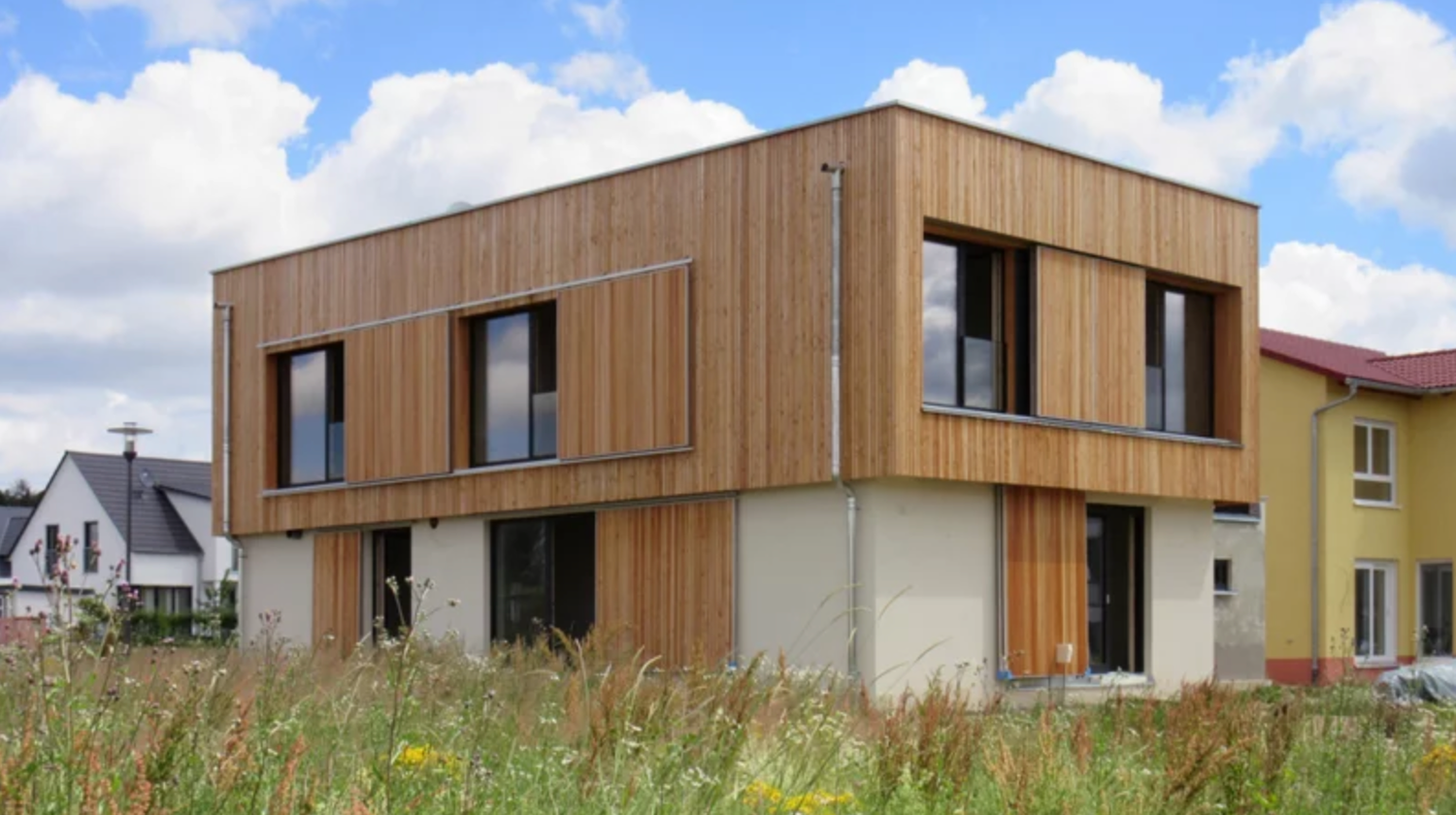
Planning Costs for a Solid Wood House
Who plans your house? Besides an architect, a structural engineer or a master carpenter can also handle the planning. Planning costs are significantly influenced by structural analysis, energy calculations, volume, and building services. If complex structural engineering is required, for example, to create rooms without load-bearing interior walls, or if the architectural design is particularly unusual, the planning process will be more time-consuming. Your personal requirements for building services and a potential bus system, which connects individual devices and controls lighting, etc., also play a major role in the planning costs and, consequently, the overall cost of your solid wood house.
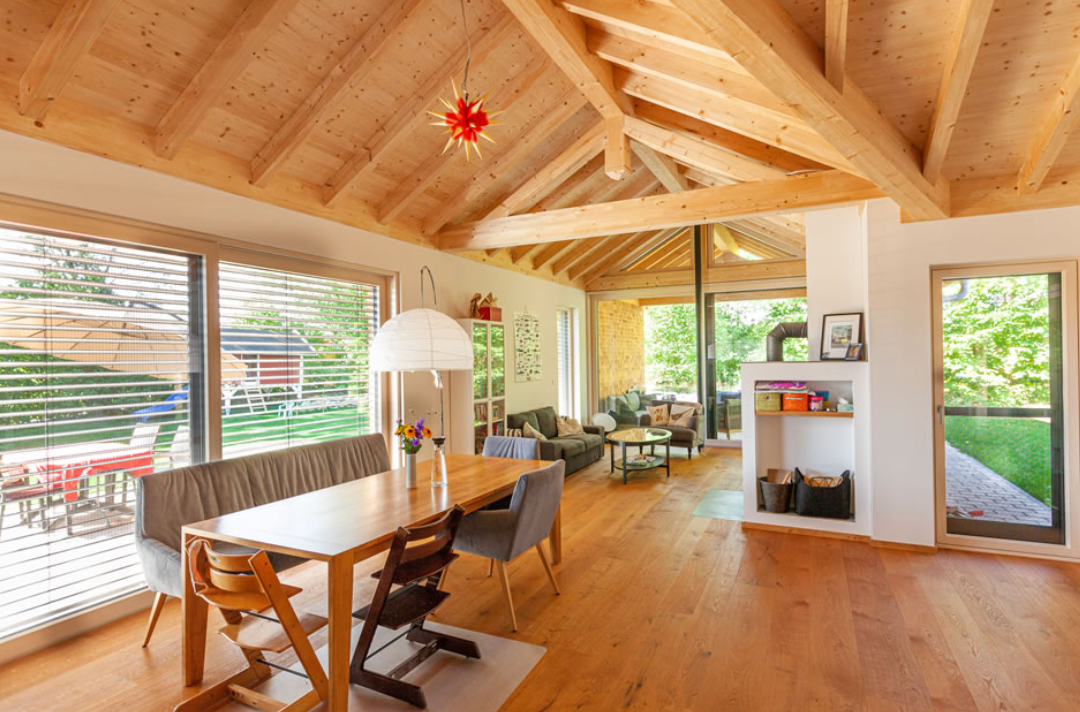
Interior Finishes
How high-quality do you want your interior finishes to be? The overall cost of a solid wood house can vary significantly depending on the interior finishes. Do you prefer wood, aluminum, or PVC windows? What type of flooring do you want? Solid wood, tiles, or laminate? Do you want a simple shower or the luxury of a whirlpool in your bathroom? Electrical, plumbing, and heating installations, as well as ventilation and air conditioning systems, staircase design, and shading, all influence the final cost.
There is a big price difference between the standard and the higher-end interior design versions. Smart home concepts, in particular, can significantly increase the price.
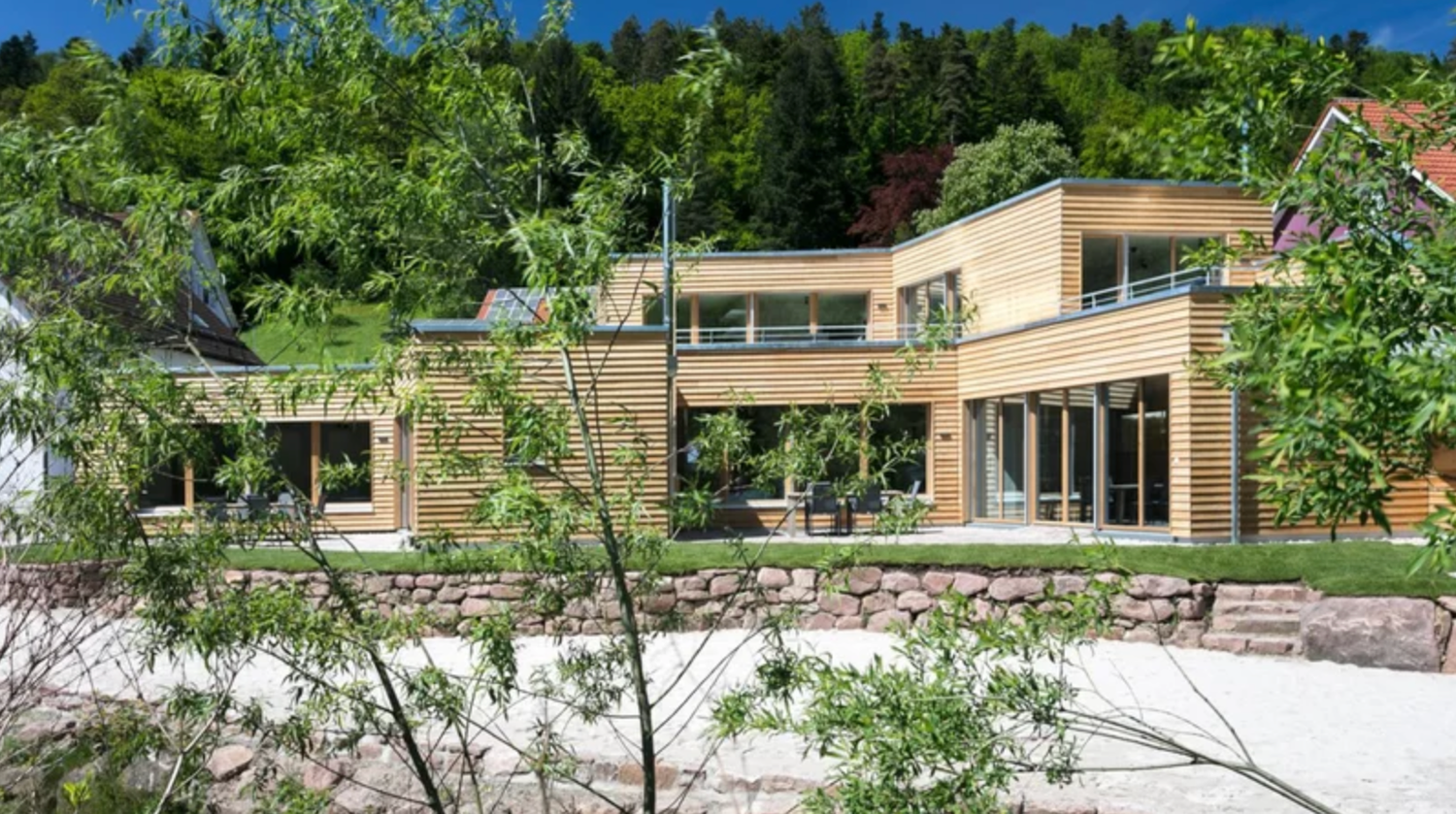
Energy Standard of Solid Wood Houses
The energy standard is largely determined by thermal insulation, but wall thickness and windows also play a crucial role. It significantly contributes to the overall cost of a solid wood house. With its natural thermal properties, wood is an excellent material for thermal insulation. The integrated air gaps in our solid wood walls further optimize heat storage.
Achieving a high energy standard requires an investment in the building's thermal insulation, which can pay off in the form of future energy savings. The desired energy standard depends on your personal preferences and budget.
With our glue-free solid wood walls, any energy standard can be achieved: low-energy house, passive house, or energy-plus house, where more energy is generated than the residents consume. It always comes down to the interplay between solid wall construction and insulation. Generally speaking, the more insulation is applied to the solid wood wall, the higher the energy standard can be. However, most of our customers value the solid wood component. They therefore choose a medium wall thickness with less insulation, accepting that this means they won't achieve the highest possible energy standard. It's not just the insulation of the exterior walls that determines the energy efficiency class. The U-value of the windows is just as crucial as the insulation of the foundation slab or basement and the roof.
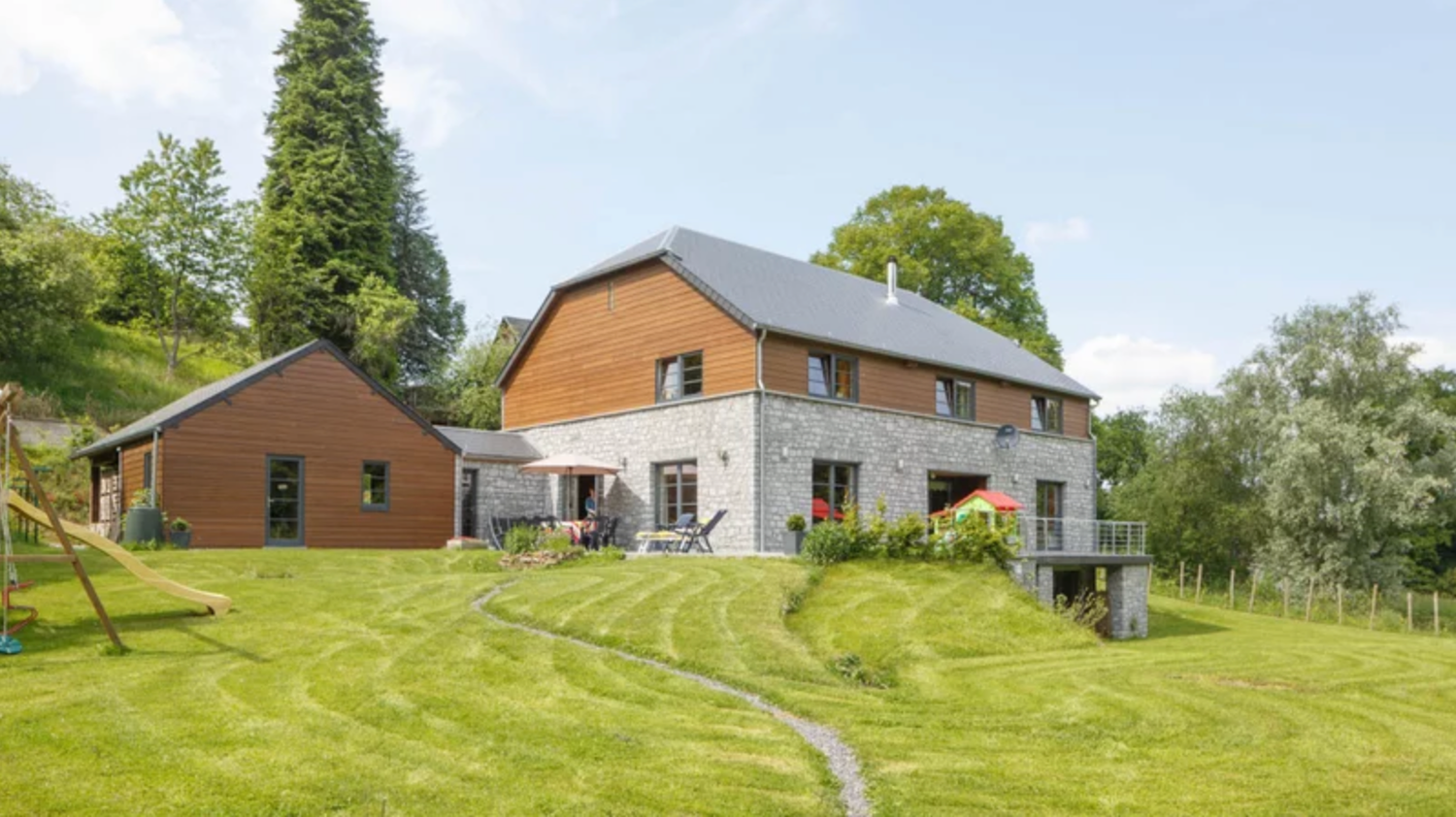
Ecological Requirements
The ecological requirements are solely determined by your personal preferences for healthy living and your values. Is the added value of an ecological building envelope sufficient for your indoor climate, or do you desire ecological design down to the last detail? For example, during interior construction, you can decide whether you want to clad the rooms with drywall or gypsum fiberboard, or perhaps with clay plaster. A consistently ecological interior design would also mean wooden floors instead of laminate or PVC.
There is no definitive answer to the question of how much ecological design is necessary; it depends not only on personal convictions but also on your budget. However, it is certain that, with regard to potential future deconstruction, the purity of pollutants and materials, as well as recyclability, are important factors influencing demolition and disposal costs.
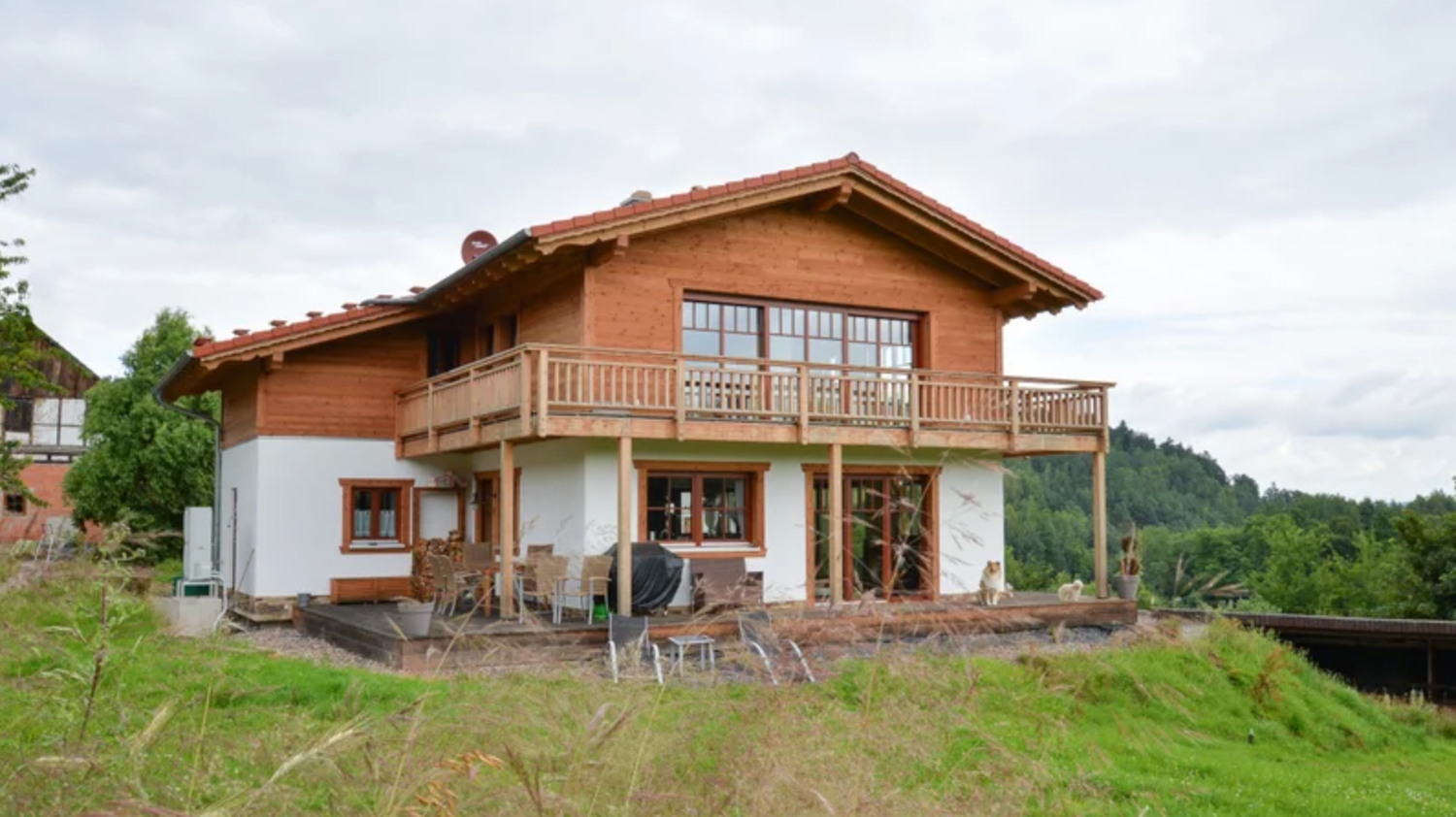
Owner-Contribution
Owner-contribution plays a significant role in the cost of your solid wood house. If you are skilled in DIY and can contribute a lot of your own labor, or if you have a large circle of friends and acquaintances who can cover some of the trades, you will save money. If you prefer to simply observe the construction process and have your dream house built turnkey, the costs will be higher.
Do you already have a building plan and would like a concrete quote for your construction project? Then the next steps are as follows:
Contact a local carpentry firm of your choice, or get in touch with us, and we will gladly recommend a suitable carpenter from our partner companies. Discuss your building project with the carpenter. The carpentry firm will request a quote from us, which we will then send directly to them.
We do not carry out the construction work ourselves. Construction is always handled by a carpentry firm. Therefore, quotes can never be sent directly to private clients, but only to construction companies.
Would you like a turnkey solid wood house with a single point of contact as your project manager, who coordinates all services from one source? Then please contact our partner, Invivo Haus. Sit back and watch as they build your dream home using solid wood construction.
Is a solid brick house cheaper than a wooden one?
We frequently receive the question, "Is a solid wood house more expensive than a brick house?"
Of course, it makes a difference whether you're comparing a house made of filled bricks or a solid brick house. If you only compare the shell construction costs, you often have to expect 10-15% higher building costs for a solid wooden wall system. This is only partly due to the difference in materials. Another part of the additional costs stems from the more intensive and detailed planning process. For example, all pipework and electrical installations have to be planned and drawn in 3D.
On the other hand, our solid wood house scores points with this prefabrication, resulting in a shorter construction time, a very pleasant living environment and high ecological standards. A very big plus is, because we use wood as a dry building material, your house is ready to move into immediately.
Is a solid brick house cheaper than a wooden one?
We frequently receive the question, "Is a solid wood house more expensive than a brick house?"
Of course, it makes a difference whether you're comparing a house made of filled bricks or a solid brick house. If you only compare the shell construction costs, you often have to expect 10-15% higher building costs for a solid wooden wall system. This is only partly due to the difference in materials. Another part of the additional costs stems from the more intensive and detailed planning process. For example, all pipework and electrical installations have to be planned and drawn in 3D.
On the other hand, our solid wood house scores points with this prefabrication, resulting in a shorter construction time, a very pleasant living environment and high ecological standards. A very big plus is, because we use wood as a dry building material, your house is ready to move into immediately.
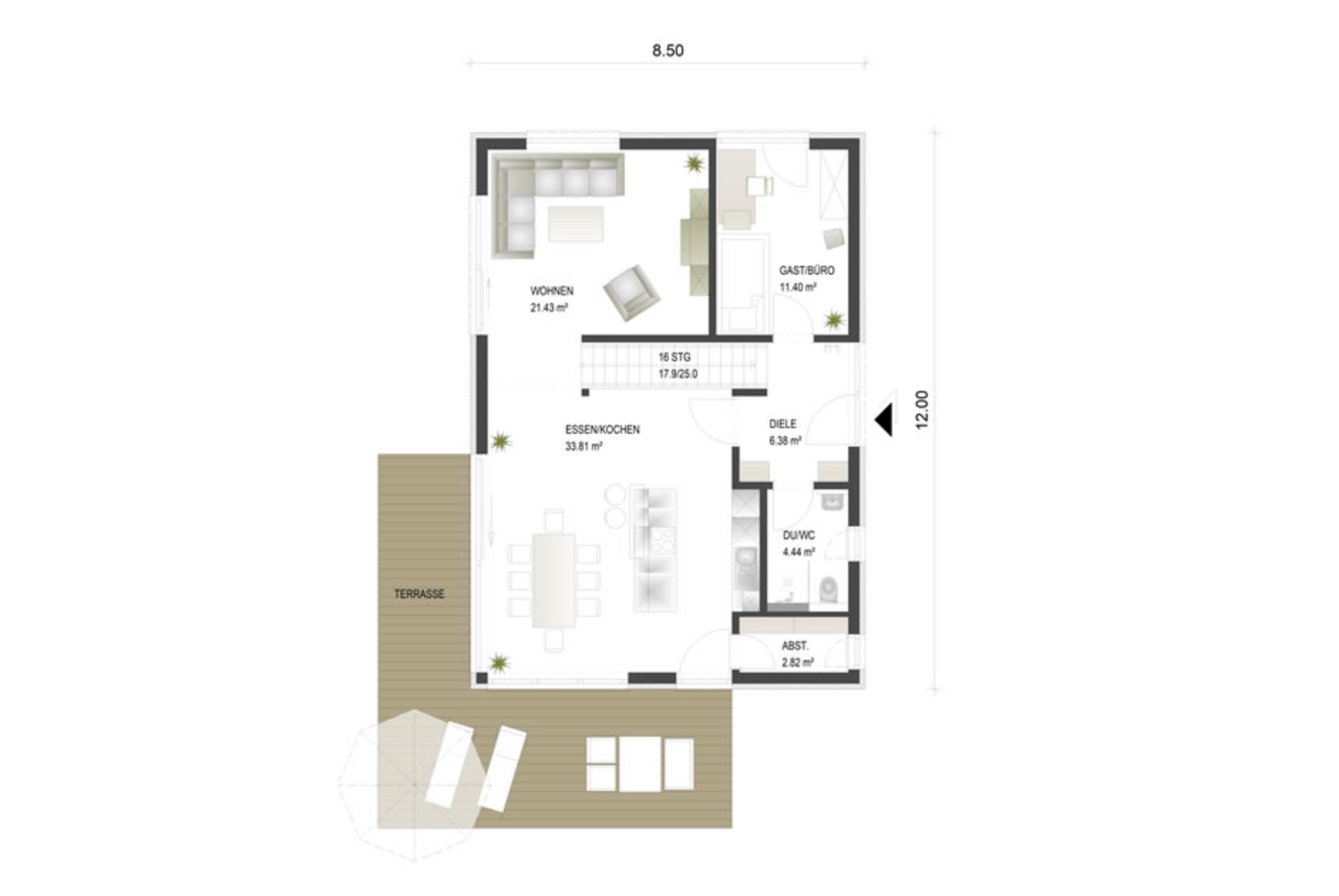
Cost example for a detached house with 160 m² of living space
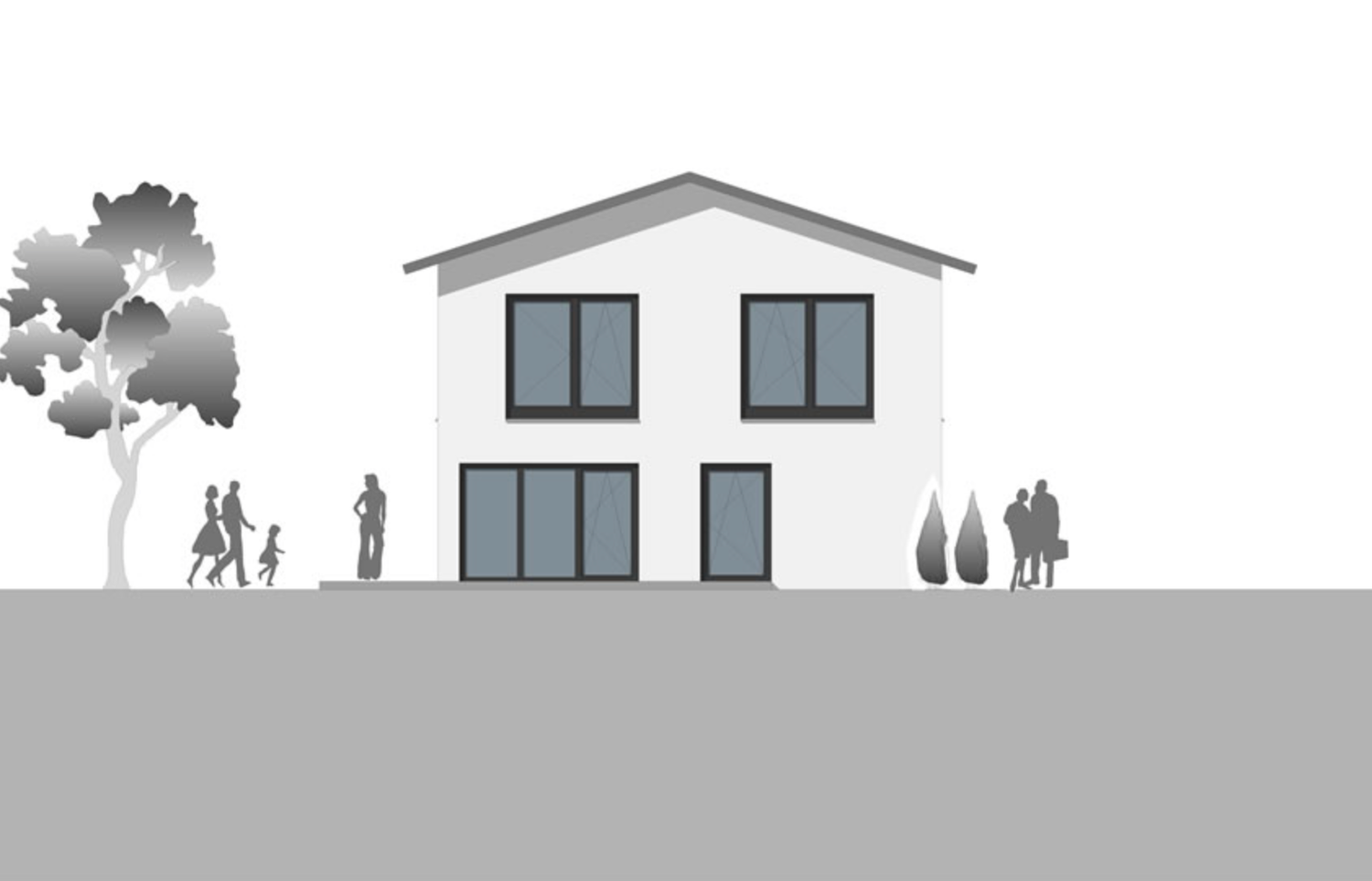
Detached House 160m²
Exterior walls constructed of 20cm glue-free solid wood, including wood fiber insulation (U-value 0.19 W/m²K)
Exterior dimensions: 12 x 8.50 meters, 2 full stories
Interior and exterior walls: glue-free solid wood construction, solid wood floor slab
Roof type: Gable roof
Total living area: 159.76 m²
Ground floor living area: 80.28 m²
Knee wall height: 2.30 m
Thermal insulation or wall construction for a U-value of 0.19 W/m²K, roof truss, roofing and sheet metal work, drywall, exterior plaster, windows and exterior doors
PRICE: €270,000
Exterior shell only, without building services or interior finishing
Turnkey Detached House 160m²
Exterior shell with technical building equipment and interior finishing
Services included:
Thermal insulation or wall construction for a U-value of 0.19 W/m²K, roof truss, roofing and sheet metal work, drywall, exterior plaster, windows and exterior doors, interior doors, interior staircase, screed, flooring (tiles), electrical installation, heating and ventilation system, plumbing including fixtures, drywall, painting.
PRICE : €400,000*
Exterior shell with technical building equipment and interior finishing
*If a basement is desired, an additional €40,000 will be charged for the foundation slab.
Cost Example for a Bungalow with 95m² living space
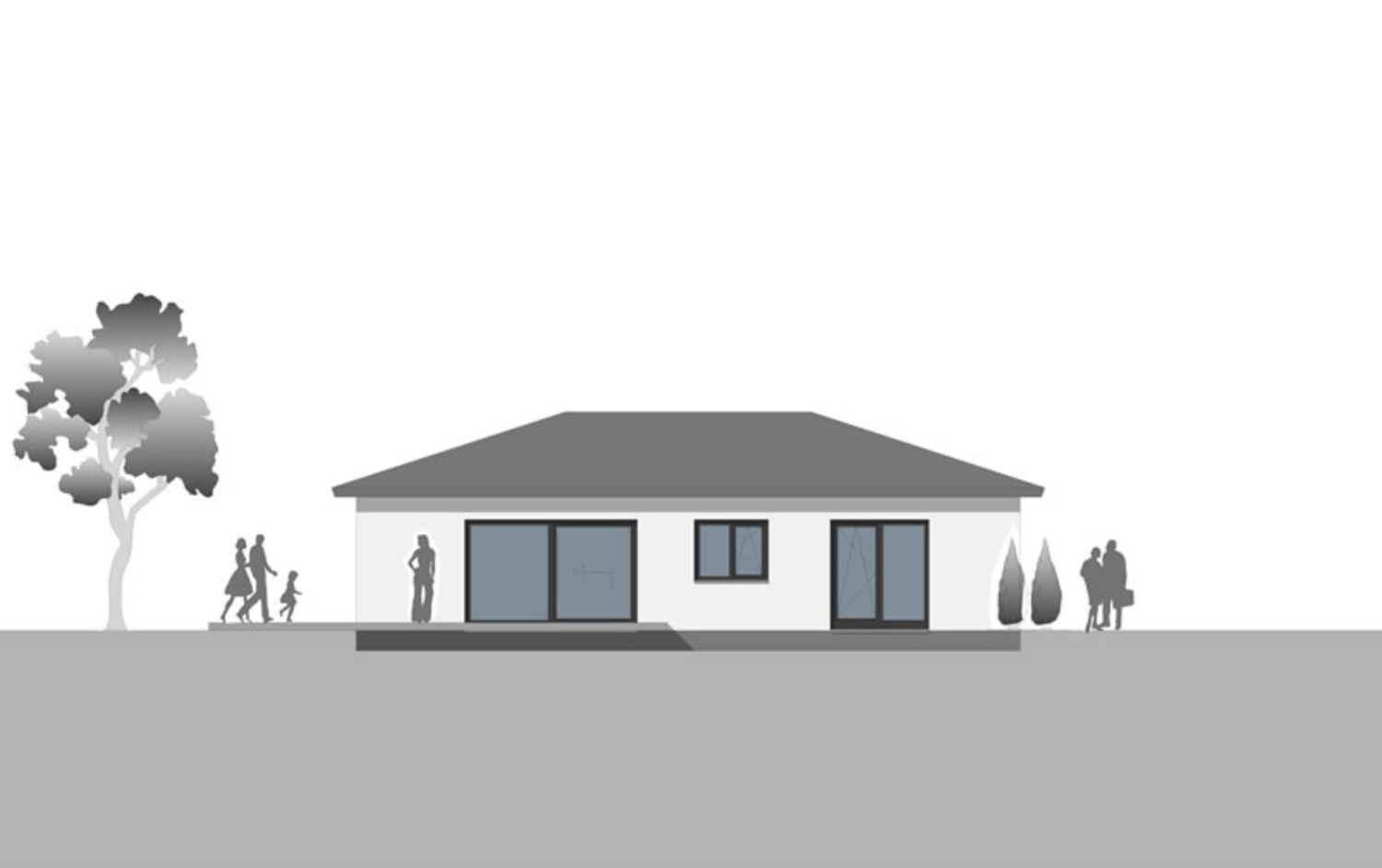
Basic Bungalow 95m²
Exterior walls constructed of 20cm glue-free solid wood,
including wood fiber insulation (U-value 0.19 W/m²K)
Exterior dimensions: 13.50 x 8.50 meters, 1 full story
Interior and exterior walls: glue-free solid wood construction,
solid wood floor slab
Roof type: Gable roof
Total living area: 94.64 m²
Ground floor living area: 94.64 m²
House suitable for expansion
Services included: Thermal insulation or wall construction for a U-value of 0.19 W/m²K, roof truss, roofing and sheet metal work, drywall, exterior plaster, windows and exterior doors
PRICE: €160,000
Exterior shell without building services and interior finishing
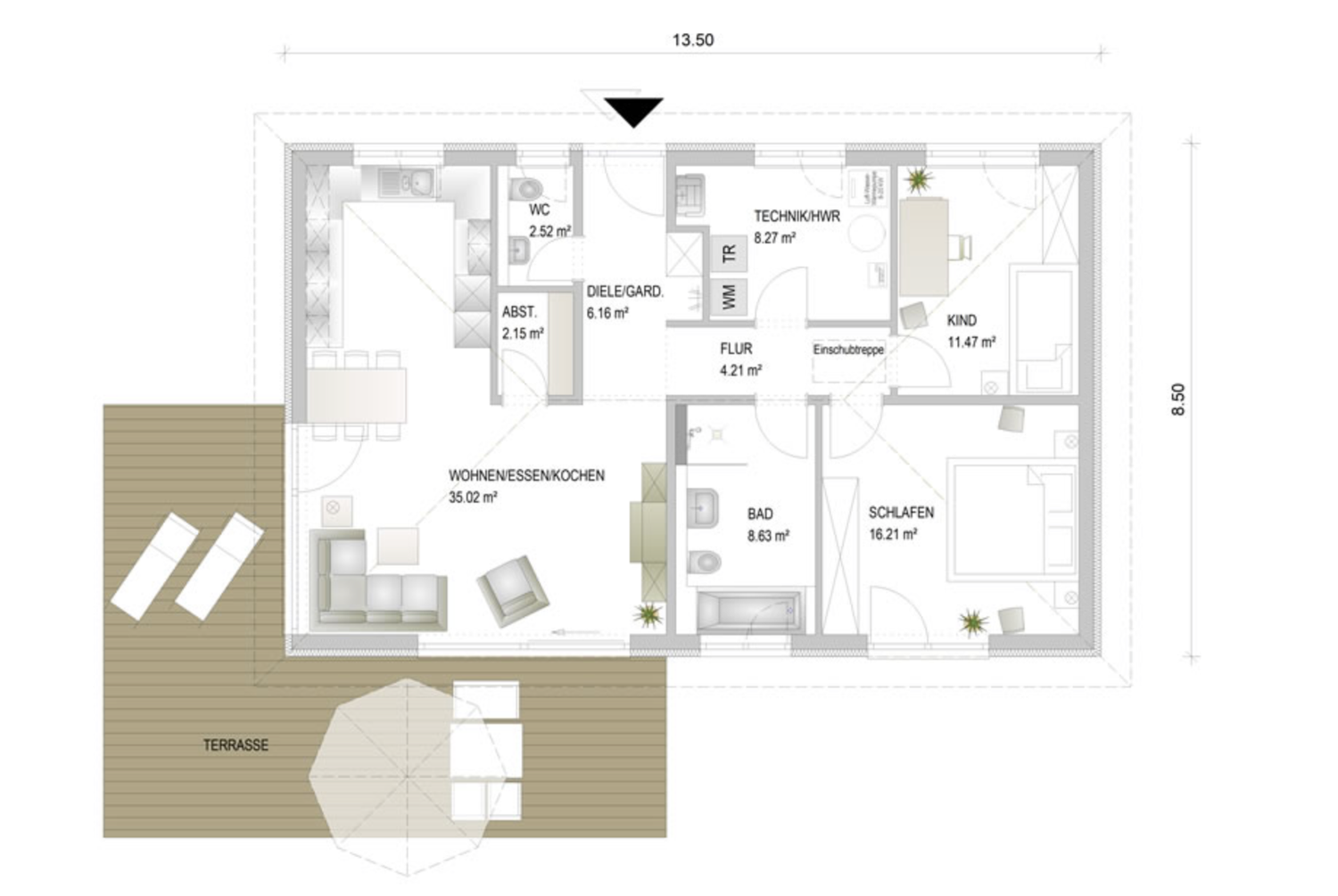
Turnkey Bungalow 95m²
Services included:
Thermal insulation or wall construction for a U-value of 0.19 W/m²K, roof truss, roofing and sheet metal work, drywall, exterior plaster, windows and exterior doors, interior doors, interior staircase, screed, flooring (tiles), electrical installation, heating and ventilation system, plumbing including fixtures, drywall, painting
price: €280,000*
Exterior shell with technical building equipment and interior finishing
*If a basement is desired, an additional €40,000 will be charged for the foundation slab.